Warehousing Services: Complete Guide to Warehousing and Distribution Services (2025)
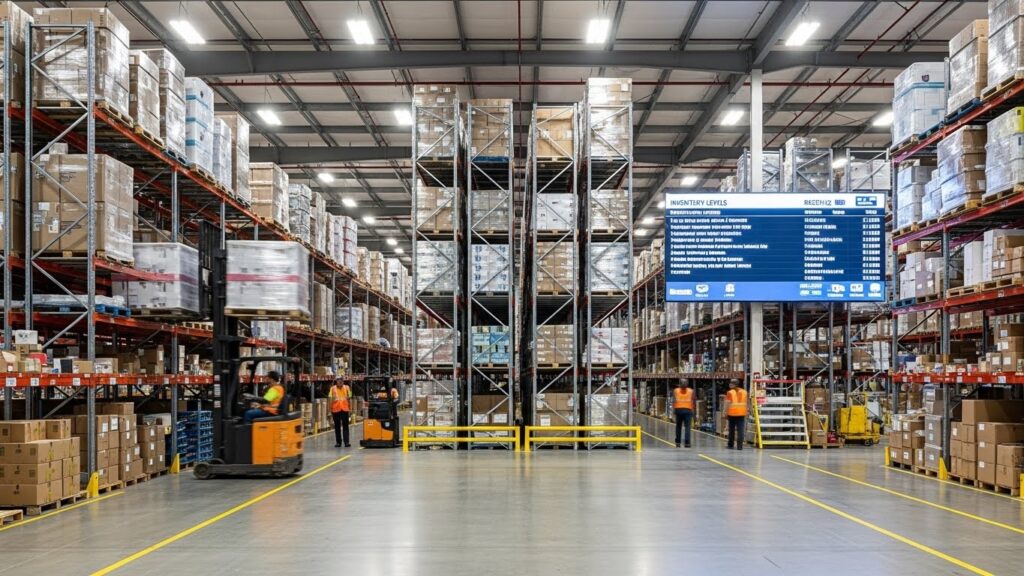
Warehousing services play a critical role in modern supply chains. As global trade, eCommerce, and manufacturing continue to grow, businesses rely on efficient warehousing services to store, manage, and distribute goods smoothly. From small startups to multinational corporations, effective warehousing directly impacts customer satisfaction, operational efficiency, and profitability. In simple terms, a warehousing service provides safe storage for goods before they are distributed or sold. When combined with logistics and transportation, warehousing and distribution services become the backbone of supply chain operations. This guide explains everything you need to know—from types and benefits to costs and best practices. What Are Warehousing Services? Warehousing services refer to professional storage solutions where goods are kept in organized facilities until they are needed for distribution, retail, or further processing. These services typically include: Modern warehousing services go far beyond simple storage. They integrate technology, automation, and data tracking to improve efficiency and accuracy. Importance of Warehousing and Distribution Services Warehousing and distribution services ensure products move smoothly from manufacturers to end customers. Why They Matter Without reliable warehousing services, businesses face delays, stock shortages, and increased logistics expenses. Types of Warehousing Services Different businesses have different storage needs. Choosing the right warehousing service is essential Public Warehousing Services Public warehouses offer shared storage spaces that businesses can rent on a short-term or long-term basis. Best For Public warehousing services are flexible and cost-effective. Private Warehousing Services Private warehouses are owned or leased by a single company. Best For Private warehousing services offer complete control but require higher investment. Contract Warehousing Services Contract warehousing is a hybrid solution where a third-party provider manages a warehouse for a specific client. Advantages This type of warehousing service is popular among growing businesses. Bonded Warehousing Services Bonded warehouses store imported goods before customs duties are paid. Key Benefits Bonded warehousing services are ideal for international traders. Cold Storage Warehousing Services Cold storage facilities maintain controlled temperatures for perishable goods. Used For These specialized warehousing services ensure product quality and compliance. Warehousing and Distribution Services Explained Warehousing and distribution services combine storage with order fulfillment and transportation. Key Functions By integrating these functions, businesses streamline operations and reduce handling costs. Role of Technology in Modern Warehousing Services Technology has transformed warehousing services significantly. Key Technologies These tools improve accuracy, speed, and visibility across the supply chain. Benefits of Professional Warehousing Services Using third-party warehousing services offers multiple advantages. Top Benefits Professional warehousing and distribution services allow businesses to focus on growth rather than logistics. Warehousing Services for eCommerce Businesses eCommerce depends heavily on efficient warehousing services. Why eCommerce Needs Warehousing Fulfillment-focused warehousing services help online sellers stay competitive. Cost of Warehousing Services The cost of a warehousing service depends on several factors. Key Cost Factors Average Cost Range Understanding pricing structures helps businesses manage logistics budgets effectively. How to Choose the Right Warehousing Service Provider Selecting the right provider is critical. What to Look For A reliable provider improves efficiency and reduces long-term costs. Warehousing Services and Supply Chain Efficiency Warehousing services directly impact supply chain performance. Key Contributions Efficient warehousing and distribution services create a competitive advantage. Risks and Challenges in Warehousing Services Despite benefits, warehousing services have challenges. Common Challenges Using experienced providers minimizes these risks. Sustainability in Warehousing Services Sustainability is becoming a priority in warehousing and distribution services. Green Practices Eco-friendly warehousing services support environmental goals and reduce costs. Future Trends in Warehousing and Distribution Services The future of warehousing services is driven by innovation. Key Trends Businesses that adapt early gain a strategic advantage. Conclusion Warehousing services are an essential part of modern logistics and supply chain management. Whether you need simple storage or fully integrated warehousing and distribution services, the right solution improves efficiency, reduces costs, and enhances customer satisfaction. By understanding different types of warehousing services, evaluating costs, and choosing reliable partners, businesses can build resilient and scalable logistics operations. In today’s fast-moving market, smart warehousing is not just an option—it’s a necessity. FAQs 1. What are warehousing services? Warehousing services provide storage, inventory management, and order handling for goods before distribution. 2. What is the difference between warehousing and distribution services? Warehousing focuses on storage, while distribution involves order fulfillment and delivery. 3. Are warehousing services suitable for small businesses? Yes. Public and contract warehousing services are cost-effective for small businesses. 4. How much do warehousing services cost? Costs vary but typically range from USD 5–20 per pallet per month. 5. What industries use warehousing services the most? Retail, eCommerce, manufacturing, pharmaceuticals, and food industries rely heavily on warehousing. 6. Can warehousing services scale with business growth? Yes. Professional warehousing services are designed to scale as demand increases.