Air Cargo Shipping Rates: Latest News, International Trends & What Shippers Should Know (2026 Preview)
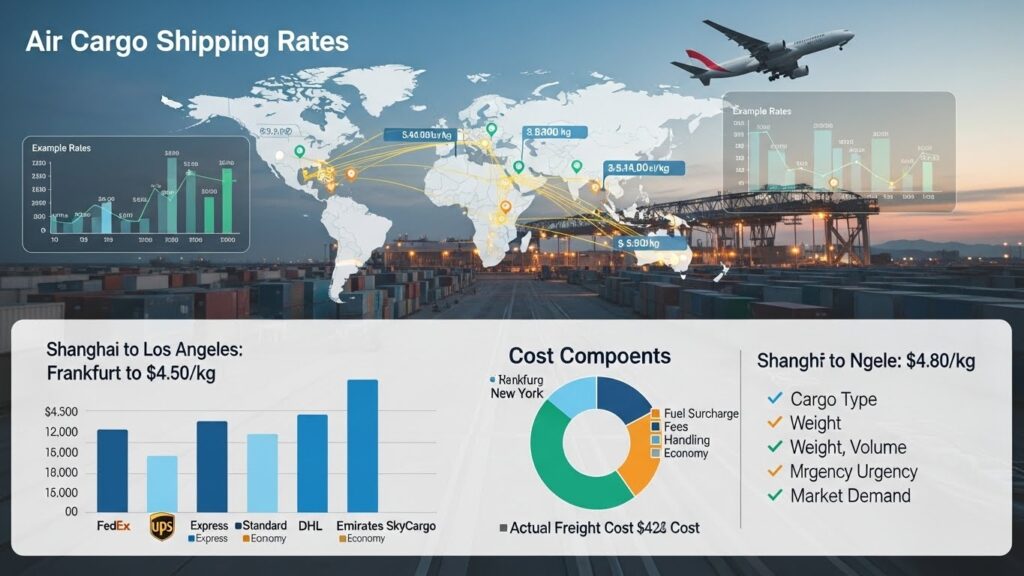
Air cargo continues to be a vital component of global trade, connecting producers and consumers across continents within days rather than weeks. As businesses and supply chain professionals plan logistics strategies for 2026 and beyond, understanding air cargo shipping rates, keeping up with air cargo rates news September 2026, and comparing air cargo rates international is more critical than ever. Air cargo rates are not static. They fluctuate with supply and demand, fuel costs, geopolitical trends, airport capacity, seasonal changes, and even macro‑economic shifts. This article provides an in‑depth look at today’s air freight pricing landscape and offers insights shippers can use to better anticipate and manage costs. What Are Air Cargo Shipping Rates? Air cargo shipping rates are the fees charged by airlines and cargo carriers for transporting goods by air. These rates typically apply to international shipments but also include domestic segments in many global logistics chains. Air cargo shipping rates are based on chargeable weight, which is the higher of the actual weight or the volumetric weight of a shipment. Volumetric weight is calculated using the formula: Length × Width × Height ÷ 6000 This system ensures pricing accounts for both the space the cargo occupies and its actual mass. Freight Amigo 1. Core Components of Air Cargo Shipping Rates Air cargo shipping rates are influenced by multiple cost elements: Weight and Volume Heavier shipments or those with large dimensions generally cost more to ship because they consume more space or fuel. Freight Amigo Distance and Routes Longer international routes command higher fees. Major lanes, such as Asia‑North America or Europe‑Asia, are often priced higher due to greater fuel requirements and distance. Freight Amigo Fuel Surcharges Jet fuel is a major operating expense for airlines, and fluctuations in fuel prices have a direct effect on air cargo shipping rates. Airlines often levy fuel surcharges that vary weekly based on market prices. Freight Amigo Airport Handling & Infrastructure Fees Costs related to cargo handling, storage, security checks, and airport processing add to the base shipping rate. Freight Amigo Seasonality & Demand Peak seasons like the holiday rush (Q4) or trade‑driven peaks can push rates higher due to capacity constraints. Freight Amigo Special Handling Perishable goods, hazardous materials, and temperature‑controlled cargo often incur premiums because of special equipment and monitoring. Freight Amigo 2. Air Cargo Rates News September 2026: Market Expectations and Trends While real‑time public data for September 2026 specifically isn’t yet widely released, trends leading into late 2025 and forecasts for 2026 provide strong context for what shippers can expect. Slower Growth But Continued Demand Recent industry data for late 2025 shows air cargo demand growing at modest rates—about +2.9% year‑over‑year in September 2025—indicating sustained demand even as growth moderates. IATA While full 2026 forecasts are not yet published, the International Air Transport Association (IATA) projects moderate cargo revenue growth into 2026, with cargo yields (i.e., average rates) remaining elevated—roughly 30% above pre‑pandemic levels. IATA Capacity Trends Even as demand continues, cargo capacity (i.e., available cargo tonne‑kilometers) is expanding, which can help temper rate spikes. IATA Pressure from Macro and Regional Trends Reports highlight continued rate pressures in 2025 and into 2026; in the latter part of the year, capacity shifts and tariff changes (e.g., U.S. and China) have contributed to volatility in shipping demand and pricing strategies. aircargonews.net+1 Air Cargo Market Momentum Despite slight slowing in growth toward late 2025, reports indicate air cargo volumes increased year‑over‑year into November, reinforcing resilience before 2026. Cargo Airports & Airline Services Note: Actual published air cargo rates news September 2026 will become available later in the year, but early indicators suggest stable demand and rate pressures shaped by capacity and macro trends. 3. Air Cargo Rates International: How Global Shipping Costs Compare International air cargo rates (for cross‑border shipments) vary by region, season, and route. Asia‑North America Traditionally one of the most active international routes. Air cargo shipping rates here tend to be higher due to distance and strong economic ties. Freight Amigo Europe‑Asia & Europe‑North America These corridors also command premium rates due to long distances and high demand for fast, high‑value goods movement. Freight Amigo Intra‑Asia & Emerging Routes Routes connecting Southeast Asia to Africa or the Middle East are increasingly significant and may experience different pricing dynamics due to evolving trade patterns. IATA International Rate Volatility Various reports noted slight rate increases in some regions and declines in others as markets adjust. International spot rates may shift based on economy‑wide conditions and trade flows. traxtech.com 4. Comparing Spot Rates vs. Contract Rates Air cargo shipping rates come in two main forms: Spot Rates Contract Rates In periods of rate volatility—like peak seasons or market disruptions—many shippers turn to contract rates to lock in pricing and capacity. 5. How Air Cargo Shipping Rates Are Calculated Carriers calculate international air freight rates based on: Some carriers also adjust rates based on aircraft utilization, backhaul demand, and cargo class (e.g., express vs. economy). 6. Factors Driving International Air Cargo Rates Several factors shape the cost of air cargo rates international: Fuel Price Trends Fuel remains one of the most significant operational costs, so changes in jet fuel prices influence air cargo shipping rates. Freight Amigo Global Trade Patterns Shifts in supply chains (e.g., diversification away from China or tariff‑driven sourcing changes) can cause load imbalance and affect rates. Jenkar Shipping Capacity and Aircraft Availability Delays in new freighter aircraft deliveries and retirement of older ones could tighten capacity, pushing rates upward—especially in constrained markets. Financial Times Seasonality Peak periods like Q4 holiday demand or pre‑Chinese New Year rushes regularly increase air cargo shipping rates. Freight Amigo Regulatory Costs Customs procedures, environmental levies, and new digital compliance standards may indirectly impact international rates. Freight Amigo 7. Trends in International Cargo Demand and Pricing Data from September 2025 showed air cargo demand up roughly 2.9% YoY, but the growth rate moderated slightly compared to previous months, signaling a maturing market. aircargonews.net While capacity generally expands, the balance between capacity and