Air Cargo Rates News: Latest Air Cargo Rates & Freight Rate Trends (2026 Guide)
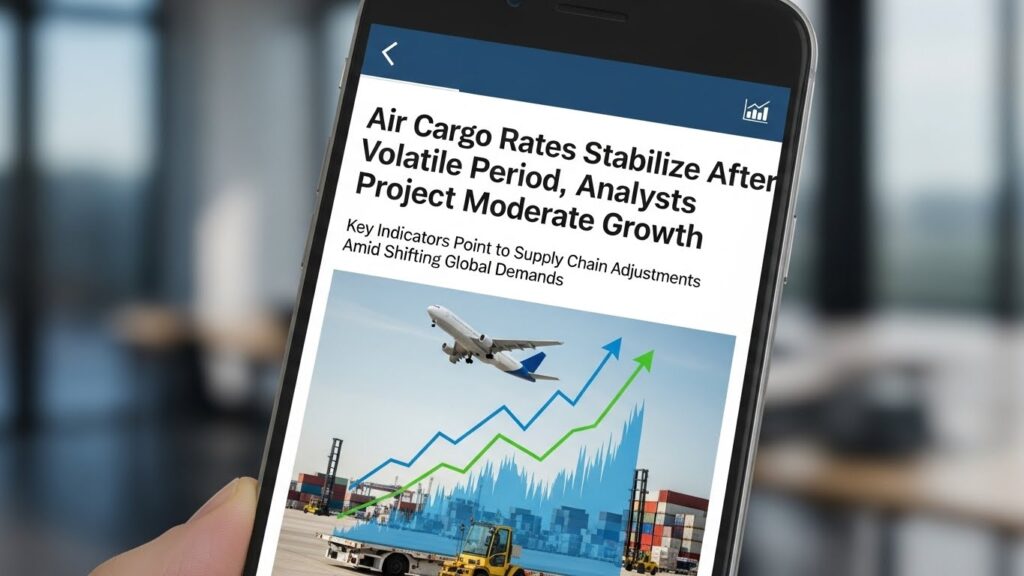
In an increasingly interconnected global economy, air cargo rates news plays a crucial role for airlines, shippers, freight forwarders, and supply chain managers. Air cargo is vital for time-sensitive and high-value goods—from electronics and pharmaceuticals to perishables and manufacturing parts. Understanding air cargo rates and air cargo freight rates helps companies forecast costs, negotiate contracts, and optimize logistics strategies. This in-depth article explores current rate trends, influencing factors, service types, practical forecasting, and tips for managing air freight budgets. By the end, readers will understand how global developments impact air cargo pricing and how to use rate intelligence to make smarter shipping decisions. What Are Air Cargo Rates? Air cargo rates are the prices charged by airlines or cargo carriers to transport goods by air. These rates are typically expressed in terms of cost per kilogram (USD/kg) but may also be rounded up to freight chargeable weight based on volume. Air cargo is priced differently than sea freight. Instead of container load or cubic meters, airlines consider: Because air cargo is generally faster, its rates are historically higher than sea or rail. However, speed, reliability, and lower inventory holding costs often justify these freight rates. Understanding Air Cargo Freight Rates Air cargo freight rates refer to the specific tariffs applied to shipments transported by air. These rates fluctuate based on supply and demand, fuel costs, carrier capacity, market disruptions, seasonality, and global trade patterns. How Air Cargo Freight Rates Are Calculated Air cargo freight rates are not fixed; they are influenced by: These components combine into the air cargo freight rate paid by shippers or freight forwarders. Latest Air Cargo Rates News (2025 Trends) Staying updated with air cargo rates news is essential for budget planning and competitive logistics. Below are major trends shaping air freight pricing in 2025. Global Demand Surges Global economic activity and eCommerce growth have driven air cargo demand higher, pushing rates up especially on major trade corridors like: Fuel Price Volatility Fuel is one of the largest cost drivers for airlines. Fluctuations in crude oil markets directly influence fuel surcharges, which in turn affect final air cargo freight rates. Capacity Constraints Shifts in airline networks, reduction of passenger flights (which carry belly cargo), and fleet adjustments affect cargo capacity. Reduced belly space means higher rates for remaining cargo capacity. Seasonality Annual patterns—such as holiday season peak shipping, Chinese New Year, and back-to-school cycles—typically elevate rate levels. In 2025, peak season surges occurred earlier than usual due to supply chain readjustments. Geopolitical and Economic Dynamics Economic sanctions, trade agreements, and global events (e.g., geopolitical tensions or pandemics) impact cargo flows and rate stability. These developments are regularly highlighted in air cargo rates news outlets. Key Factors Influencing Air Cargo Rates Air cargo rates fluctuate based on several core factors: a. Demand and Supply Balance When demand exceeds capacity, rates rise. When capacity outpaces demand, rates soften. b. Fuel Costs Fuel price volatility flows through fuel surcharges that carriers add to base air freight rates. c. Route and Distance Longer routes generally command higher air cargo rates due to fuel and handling costs across multiple hubs. d. Cargo Type Special cargo (temperature-controlled, dangerous goods, live animals) often incurs higher freight rates. e. Regulatory Fees Security charges, customs fees, and airport handling charges vary by country and can add to total costs. f. Seasonality Peak shipping seasons (Q3–Q4) drive increased air cargo freight rates due to heightened demand. Major Trade Lanes and Typical Air Cargo Rates While exact rates vary weekly, typical patterns are observed across key trade lanes: Asia to North America Historically among the highest volume lanes. Due to high eCommerce imports and technology sector shipments, this lane often shows stronger pricing trends. Europe to Asia Driven by manufacturing supply chains. Air cargo rates reflect demand for rapid replenishment. Within Asia Pacific High intra-regional demand keeps air cargo freight rates competitive but subject to capacity shifts. Middle East to Global Hubs Air cargo hubs in the Middle East (e.g., Dubai, Doha) affect regional rate dynamics due to their strategic network positions. Note: For current up-to-date values, industry tools (e.g., TAC Index, Freightos) provide real-time rate benchmarks. How Air Cargo Rates Are Quoted Carriers and forwarders quote rates in several formats: a. All-In Rate Includes base rate, fuel, and some ancillary charges. b. Basic Rate + Surcharges Base rate plus separately itemized surcharges like fuel and security. c. Contract Rates Negotiated annual rates between shippers and carriers offering stable pricing. Shippers must confirm quote details to avoid surprises. How to Read Air Cargo Freight Rate Sheets When reviewing rate sheets: Clear parsing of rate sheets leads to better budgeting. Latest Air Cargo Rates News Sources To stay informed: Timely air cargo rates news enables logistics teams to anticipate rate shifts. How Shippers Can Manage Air Cargo Freight Rates Negotiated Contracts Large shippers often secure annual contracts for predictable pricing. Flexible Routing Choosing alternative hubs when primary routes tighten can reduce rates. Consolidation Group shipments to reduce cost per kg. Seasonal Planning Pre-peak bookings help avoid surge pricing. Partner with Forwarders Experienced forwarders leverage volume to negotiate better rates. The Impact of Technology on Air Cargo Rates Technology reshapes rate management: Data Analytics Predictive tools help forecast rate trends based on historical and real-time data. Digital Marketplaces Platforms allow instant rate comparisons and bookings. Automation Improves operational efficiency, potentially reducing handling-related charges. Air Cargo Rates News Case Studies Peak Period Rate Surge (Holiday Seasons) In Q4 of recent years, air cargo freight rates often increased 20–40% compared to baseline months due to retail demand. Fuel Price Spikes Historical data show fuel price increases leading to higher fuel surcharges, influencing final air cargo rates globally. These real examples underscore the importance of monitoring air cargo rates news for budgeting accuracy. Sustainability and Future Air Cargo Rate Trends Environmental initiatives influence rate settings: Carbon Pricing Airlines factoring carbon costs into pricing may affect future air cargo freight rates. Fleet Modernization Fuel-efficient aircraft may reduce long-term operational costs, potentially stabilizing